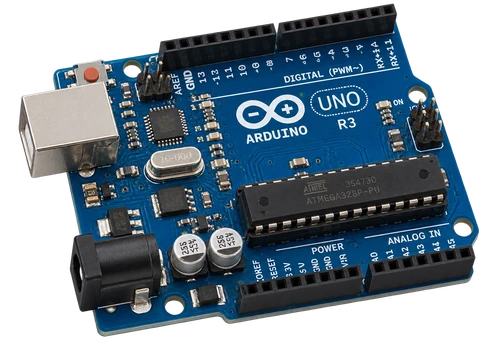
Arduino Uno
Runs the lighting behaviours and mode controls.

Lighting & interactive prototyping / 2024
A mindful circadian lamp.
A prototype that blends circadian rhythm lighting with mindfulness, using touch and light to create a calmer everyday routine.
Scroll to explore ↓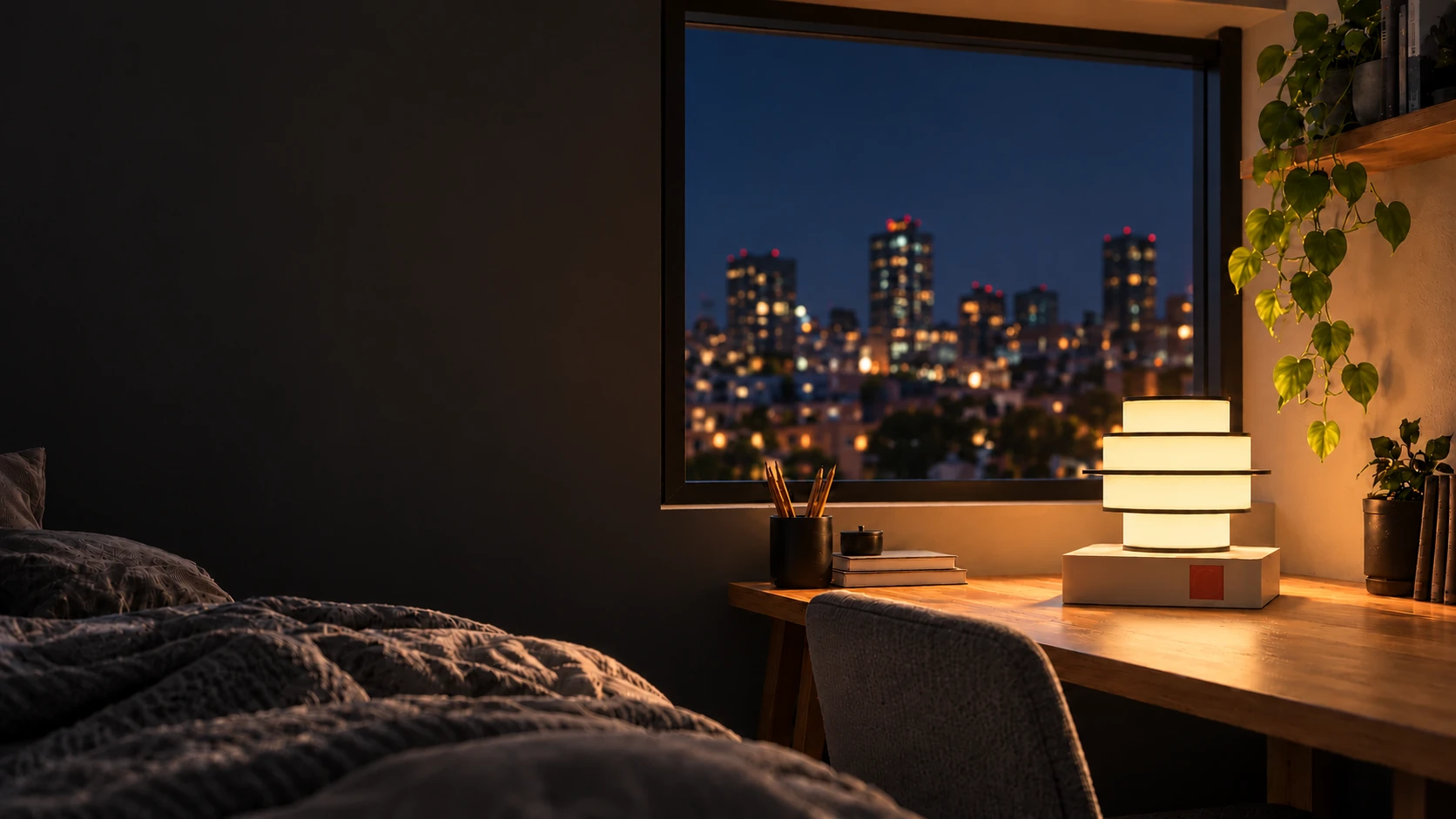
01Introduction
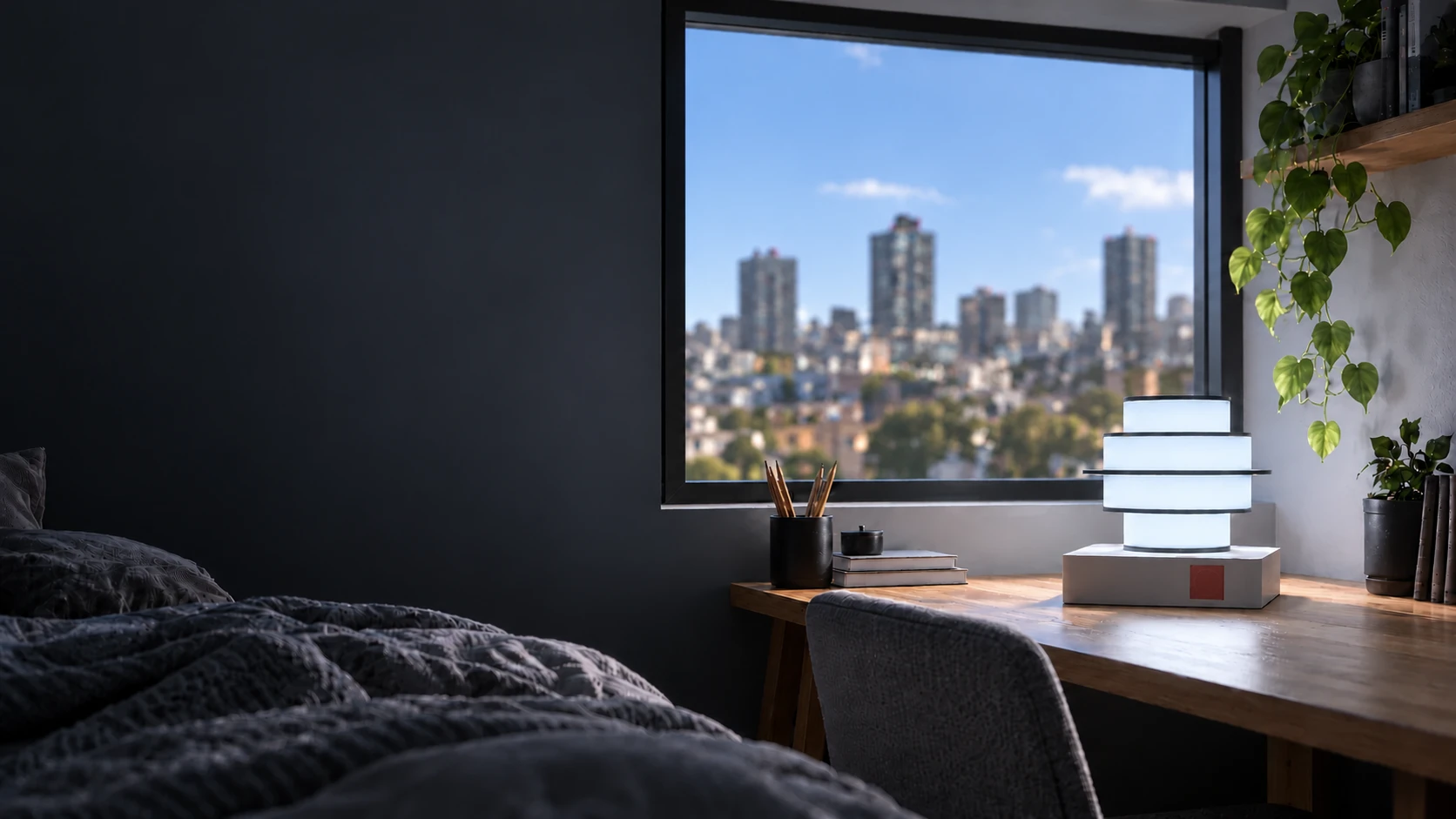
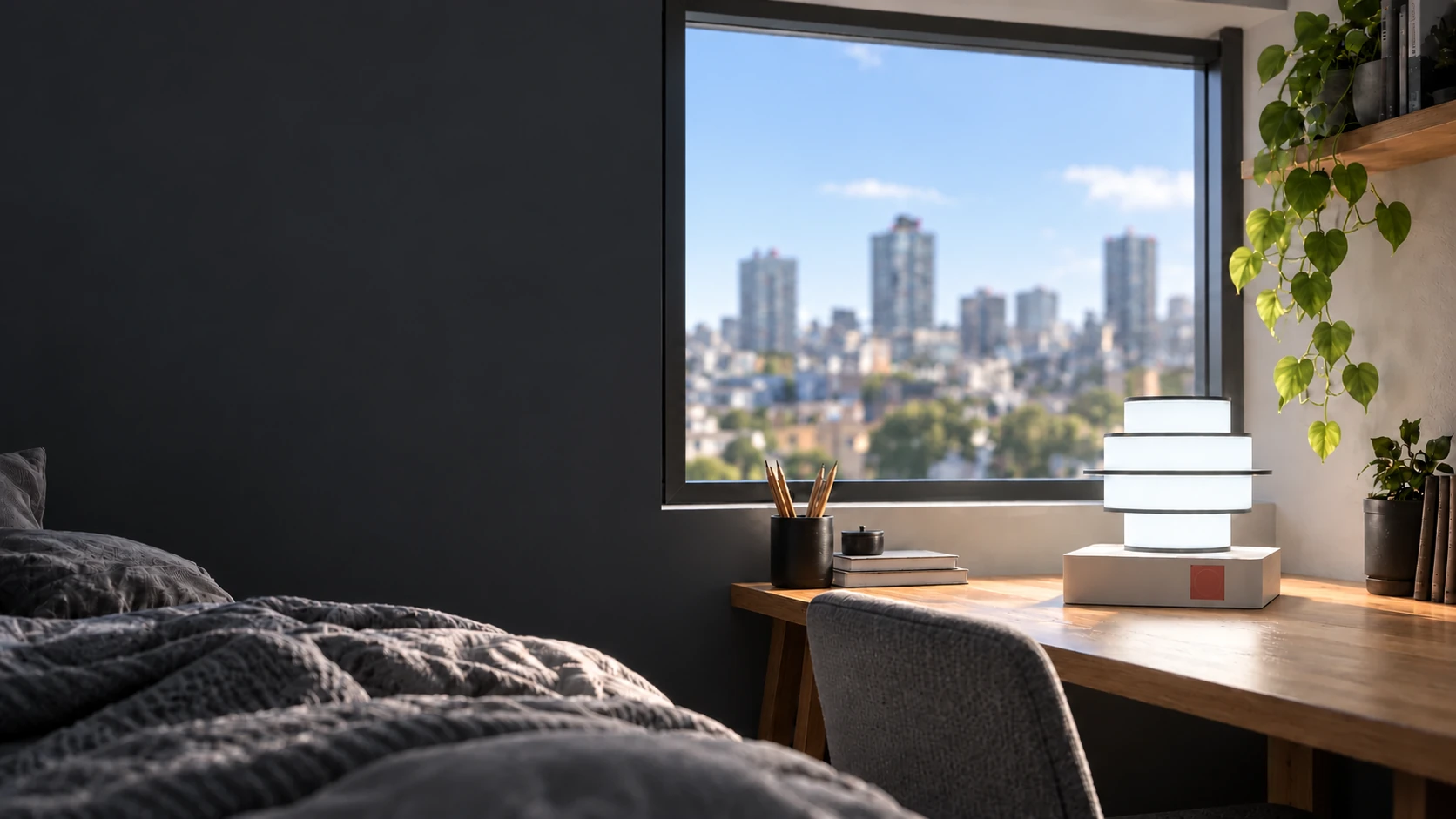
LumaRhythm is a bedside or study desk lamp exploring a more mindful relationship with light. It brings together circadian rhythm lighting and a gentle, breathing-inspired glow.
Through touch, light and rhythm, the prototype explores how an everyday object can make a room feel calmer and more intentional.
A quieter relationship
with light.
Blind
Slide or scroll to open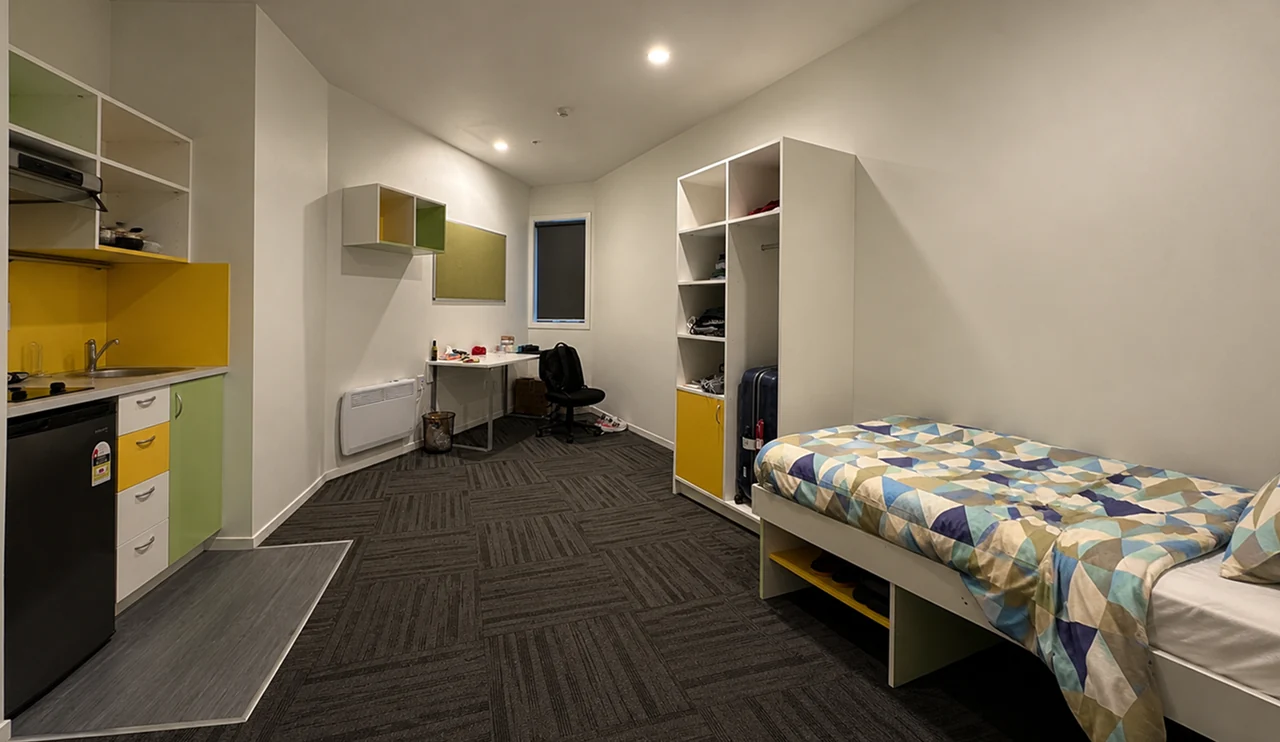
02The problem
As a student living in a space with limited natural light, I often felt disconnected from the rhythm of the day. Without morning sunlight, it became harder to distinguish time, maintain consistent sleep patterns and feel energised.
This project began as a personal response: an exploration of how light could support daily rhythms and a calmer atmosphere, even in a room without access to natural light.
The inspiration ↓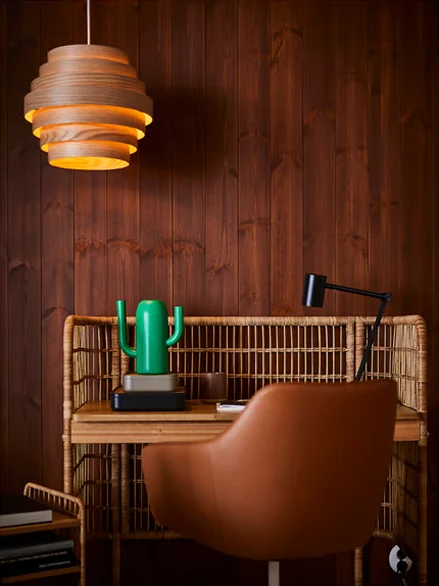
03The inspiration
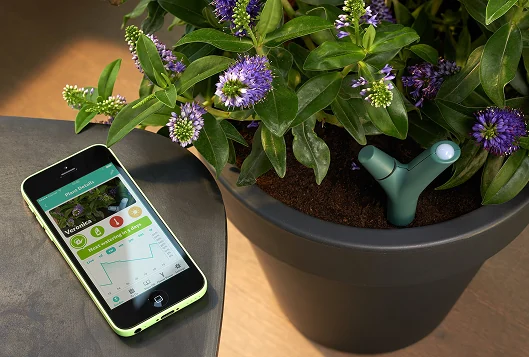
I explored a few directions for making everyday objects more responsive. One early idea was a plant-care device that could sense soil moisture, signal when watering was needed and potentially water the plant automatically.
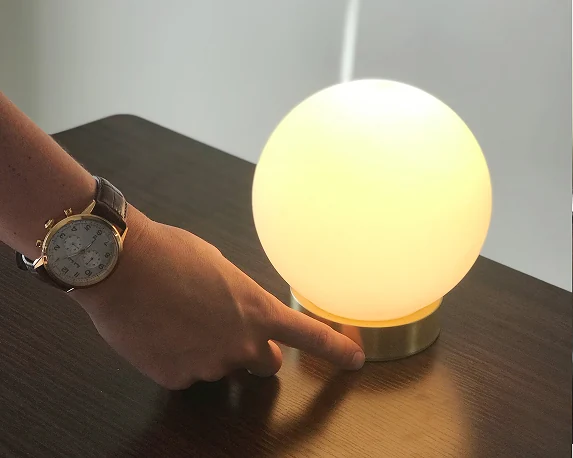
Touch-operated lamps offered a simple, immediate way to interact with light. IKEA’s DYKARKLOCKA, with its layered veneer rings, became a reference for how overlapping forms could soften light and give a lamp its character.
These precedents brought the project towards lighting: combining a layered physical form with touch and changing light, while responding to the lack of daylight I had experienced in New Zealand.
04Concept development
The design began with an exploration of how light could be experienced beyond its practical purpose. I wanted to create something that felt calm and unobtrusive, while still encouraging interaction.
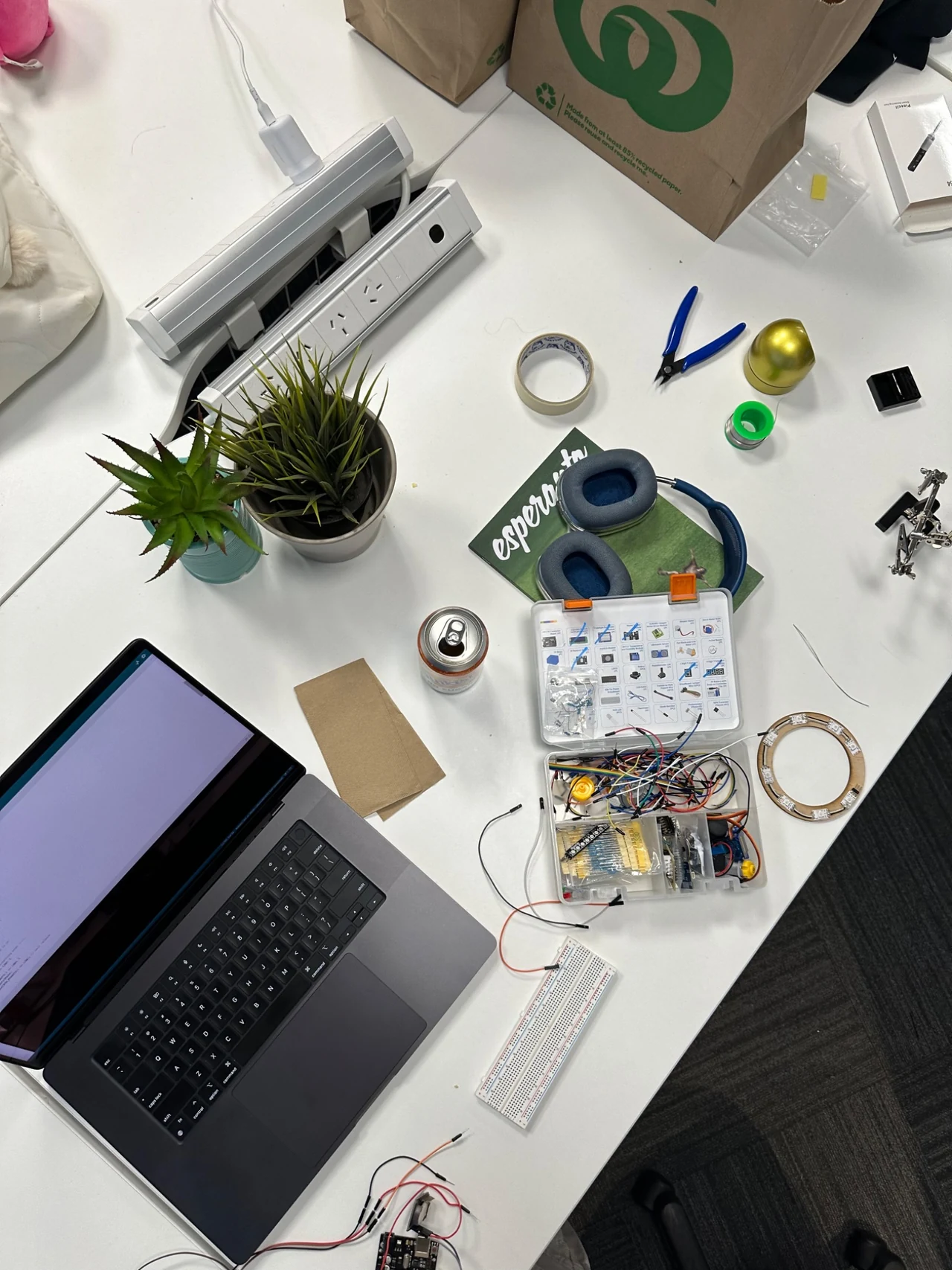
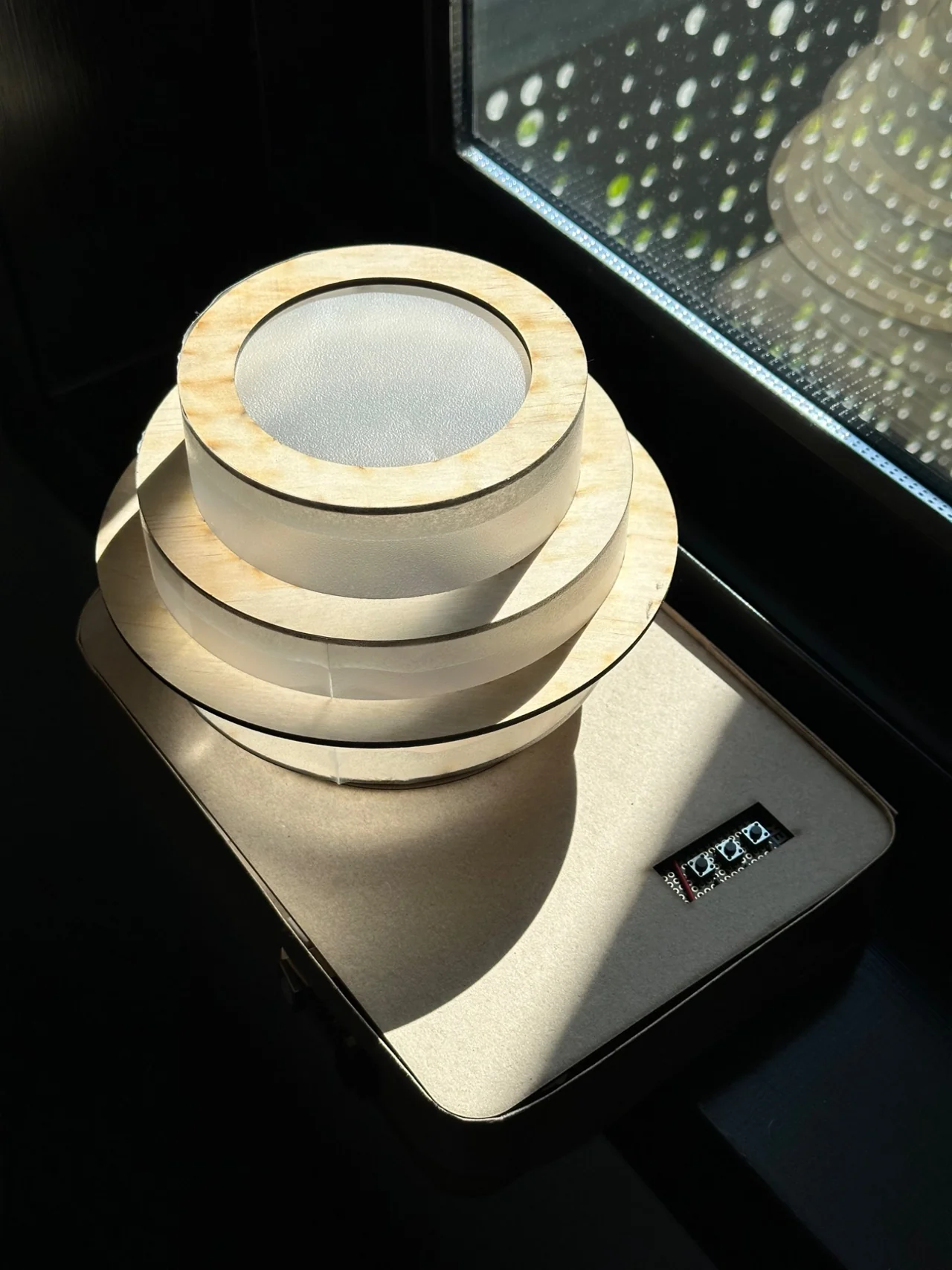
I developed a layered circular form using laser-cut plywood rings and translucent materials to soften and diffuse the light. The initial prototype relied on temporary connections between the rings, which made the structure unstable and visually cluttered.
Through further experimentation, I refined the arrangement into a more cohesive form, creating a sense of movement through its overlapping layers while allowing light to pass gently between them.
05Technical development
LumaRhythm explores how electronics and programming can turn an everyday lamp into a more responsive experience.
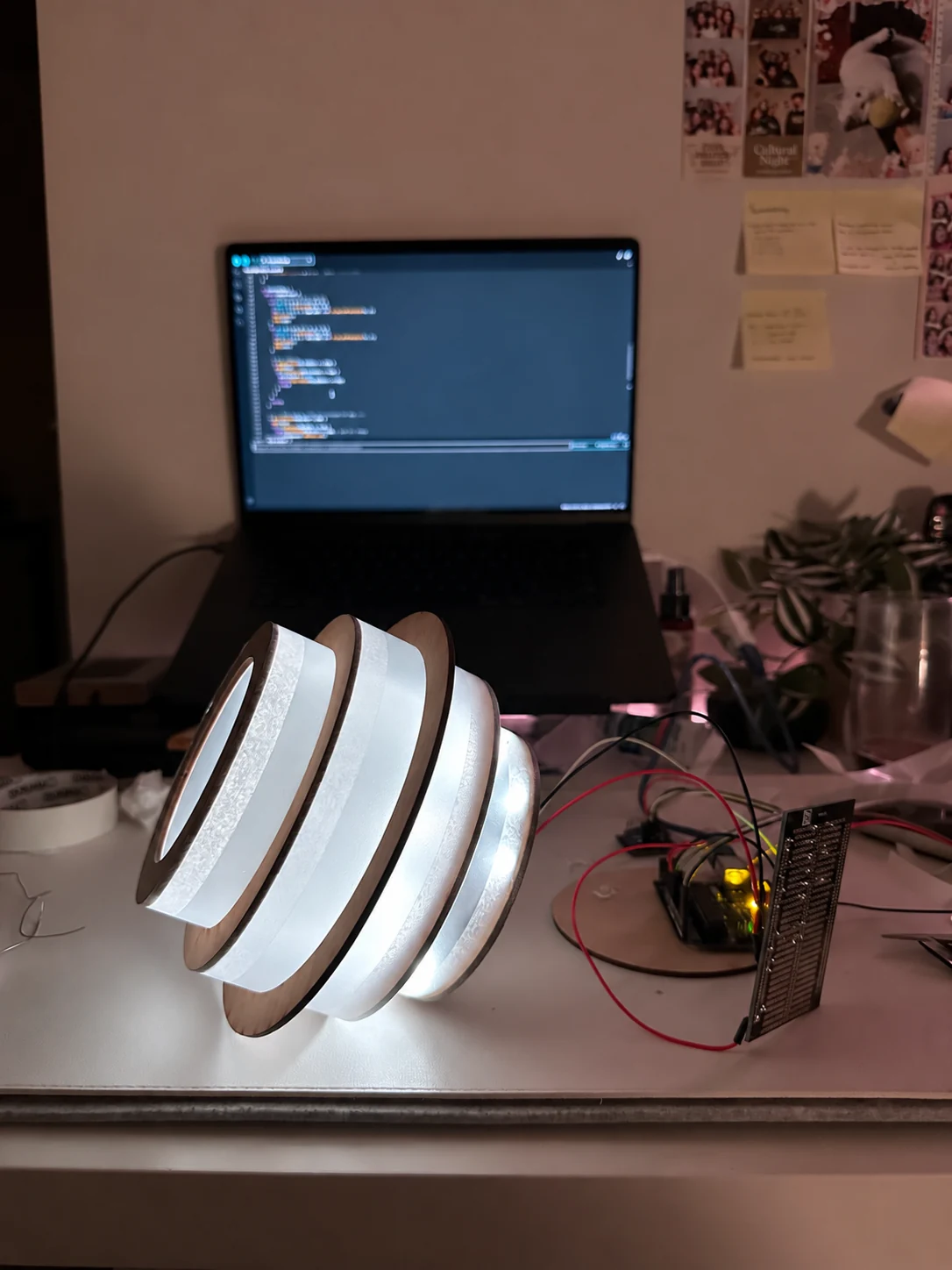
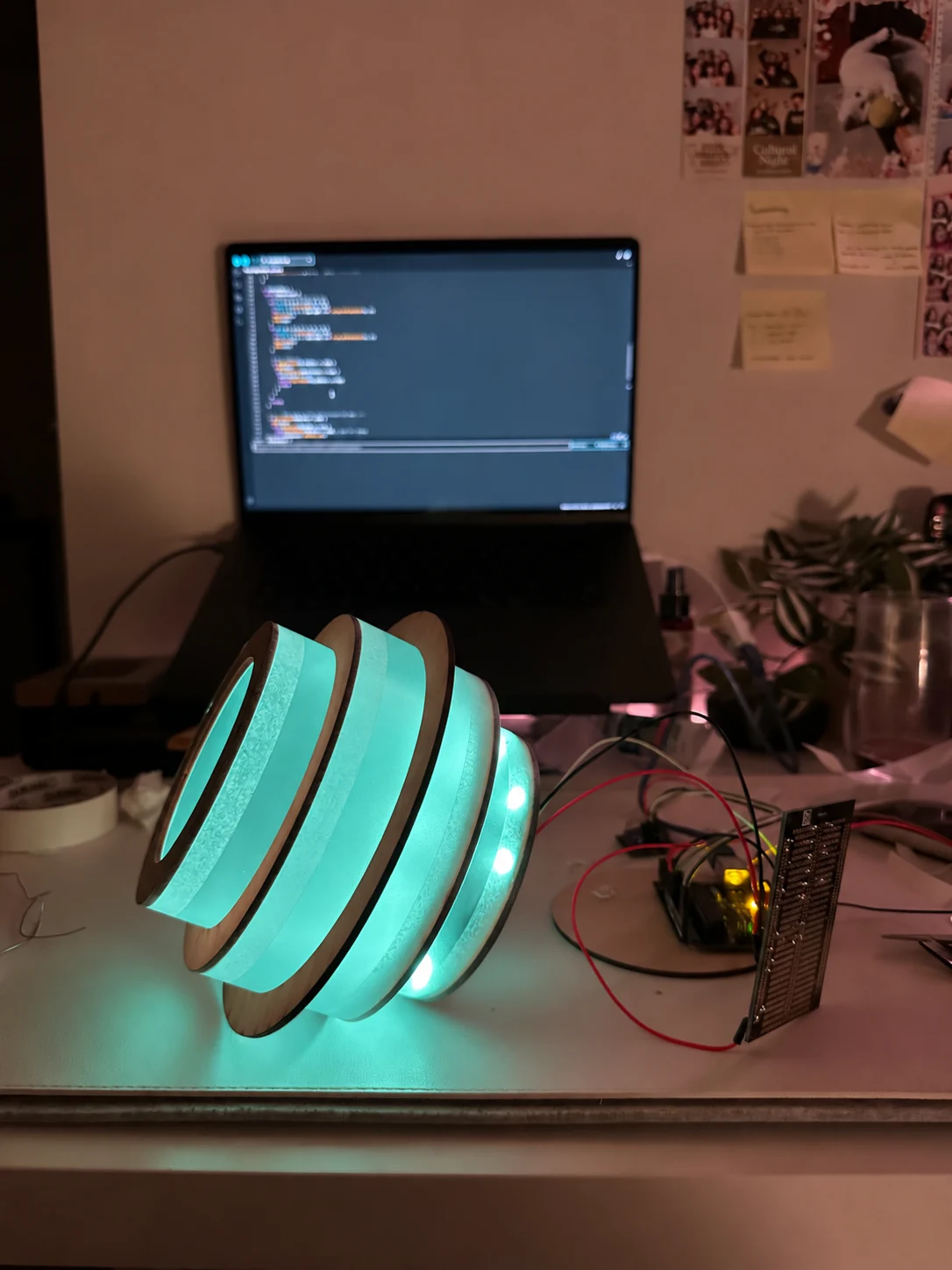
Using an Arduino, I integrated a real-time clock (RTC), NeoPixel lighting, push buttons and a capacitive touch sensor to develop different lighting behaviours.
Scroll to explore the assembly
Runs the lighting behaviours and mode controls.
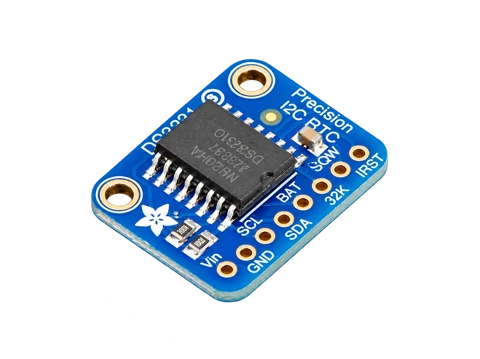
Provides time-based control for the circadian lighting concept.
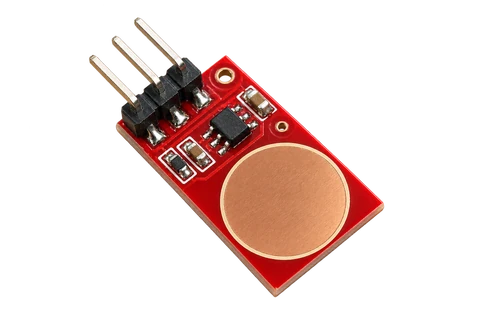
Allows interaction with the lamp’s different modes.
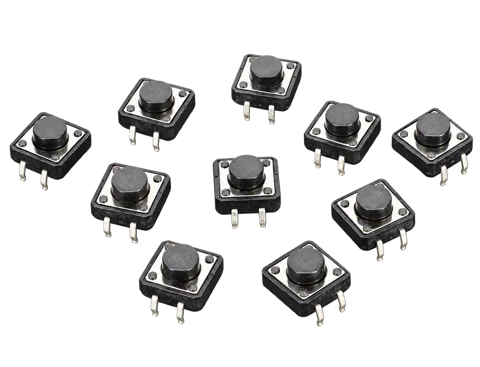
Navigate between lighting modes.
The RTC provides time-based control for the circadian lighting concept, while the buttons and touch sensor allow interaction with the lamp’s different modes.
Much of the experimentation focused on programming gradual colour and brightness transitions, aiming to make changes in light feel more natural rather than sudden.
Representative component imagery · RTC and buttons by Adafruit.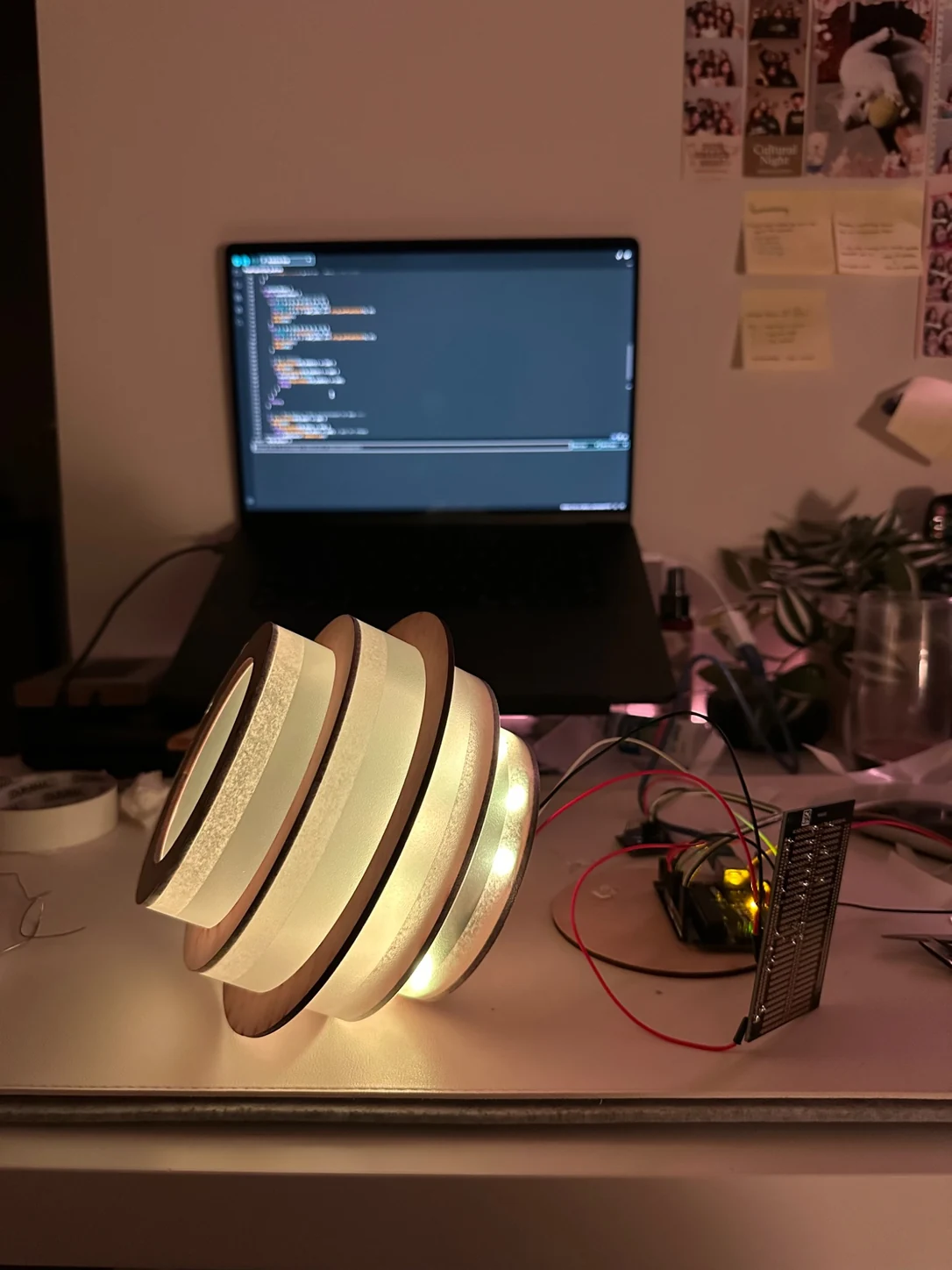
06Lighting modes
Regular Mode
An everyday lighting function designed to provide comfortable illumination for a bedside or study environment, with lighting behaviour informed by the time of day.
06Explore the light
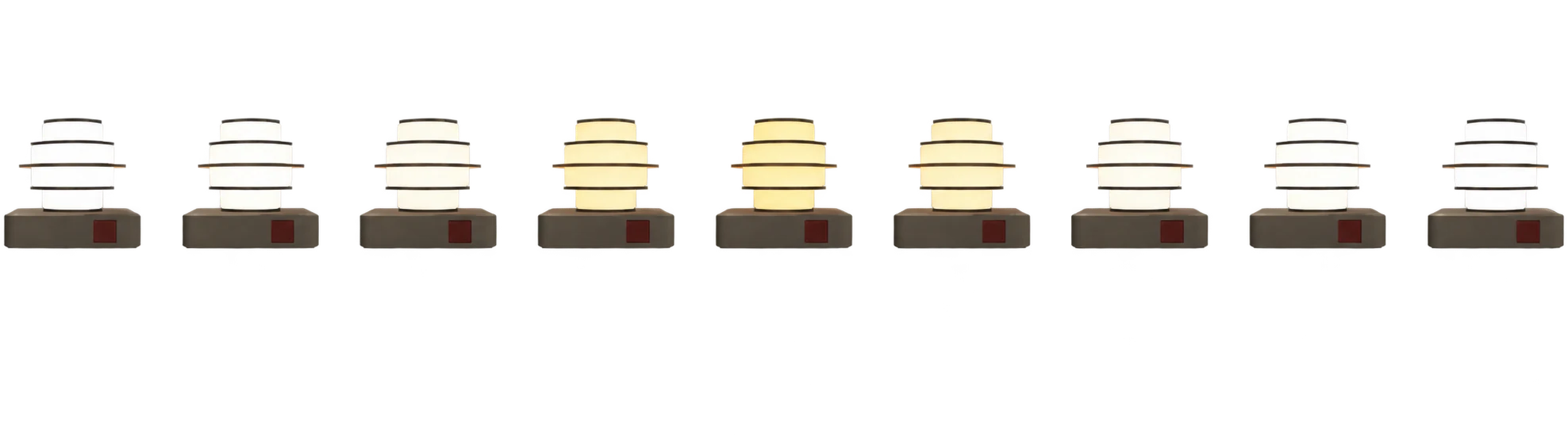
Choose a lighting mode. In Circadian Demonstration, move through the day to bring its matching light forward.
Circadian Demonstration 09:00 · 4500 K
Warm morning light · Cool daylight · Warm evening light
A gentle rhythm: breathe in, then breathe out.
A digital model of LumaRhythm. Try different colours and lighting modes.
The finished LumaRhythm prototype.
07Outcome
Developing LumaRhythm meant testing its physical construction alongside its electronic interactions. On the breadboard, the programmed lighting behaviours and mode controls worked successfully.
The challenge was transferring everything into a compact, soldered circuit for the final prototype. Limited internal space and connection issues affected the reliability of the controls, despite several attempts to rebuild and troubleshoot the system.
Although the final prototype was less reliable than intended, its completed physical form and earlier working tests helped demonstrate the concept’s potential. The process taught me the precision, patience and problem-solving needed to bring design, electronics and physical making together.
08Reflection
LumaRhythm brought physical making, electronics and programming together for the first time in my practice. What began as a simple lighting idea became a lesson in testing, patience and learning through mistakes.
Although the final prototype wasn’t fully reliable, it strengthened my understanding of how technology can support thoughtful design. I want to keep exploring how light and interaction shape everyday life—not only through function, but through how they make people feel.
Projects along the way
Two earlier assignments from the class, part of the learning process that led to this project.